
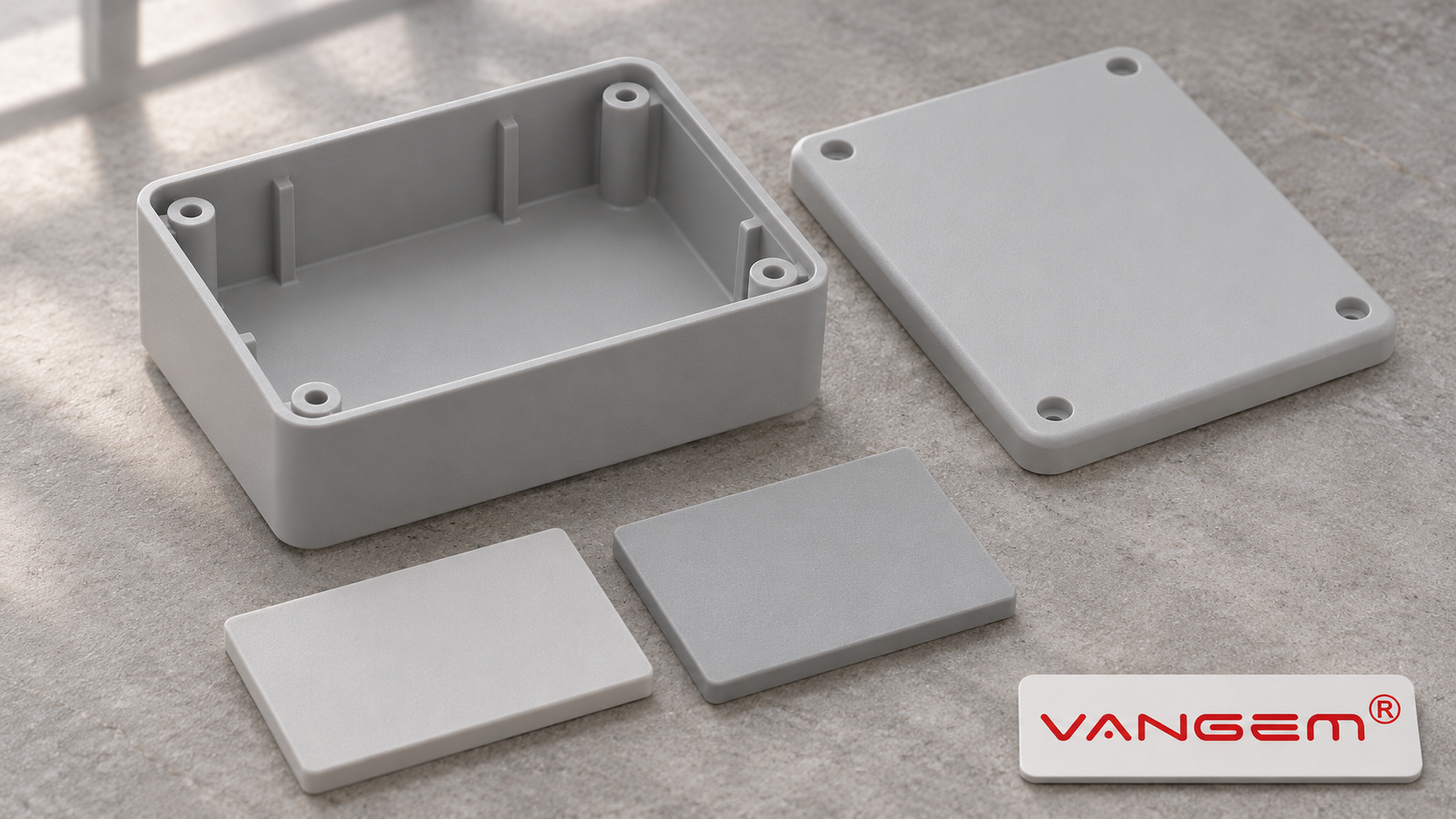
UL 94 V-0 is a plastic material flammability classification based on controlled small-scale vertical testing. It describes the behavior of test specimens under defined conditions. It does not mean that a housing is fireproof or that an entire electrical device has received a product certification.
For an equipment buyer, the useful record connects the classification to the actual material and applicable conditions. A bare V-0 statement leaves that connection to be established.
What UL 94 V-0 actually classifies
The vertical test program evaluates material behavior after a defined flame exposure, including burning, afterglow and dripping criteria. The classification belongs to the evaluated material under the relevant test conditions.
A short description such as “self-extinguishing plastic” should not be expanded into an unlimited non-burning claim. A controlled specimen test is different from every heat source, geometry or exposure that a completed product may encounter.
The test method also matters. HB, V classifications and thin-material VTM classifications are not simply interchangeable labels. In particular, a VTM-0 result should not be substituted for V-0 merely because both contain a zero. Use the classification required for the actual material and application review.
Keep the material record tied to the housing
A reviewable material statement identifies more than the resin family’s general name. Ask which material grade is used and which record supports its stated classification. The material identity needs to match the item being supplied.
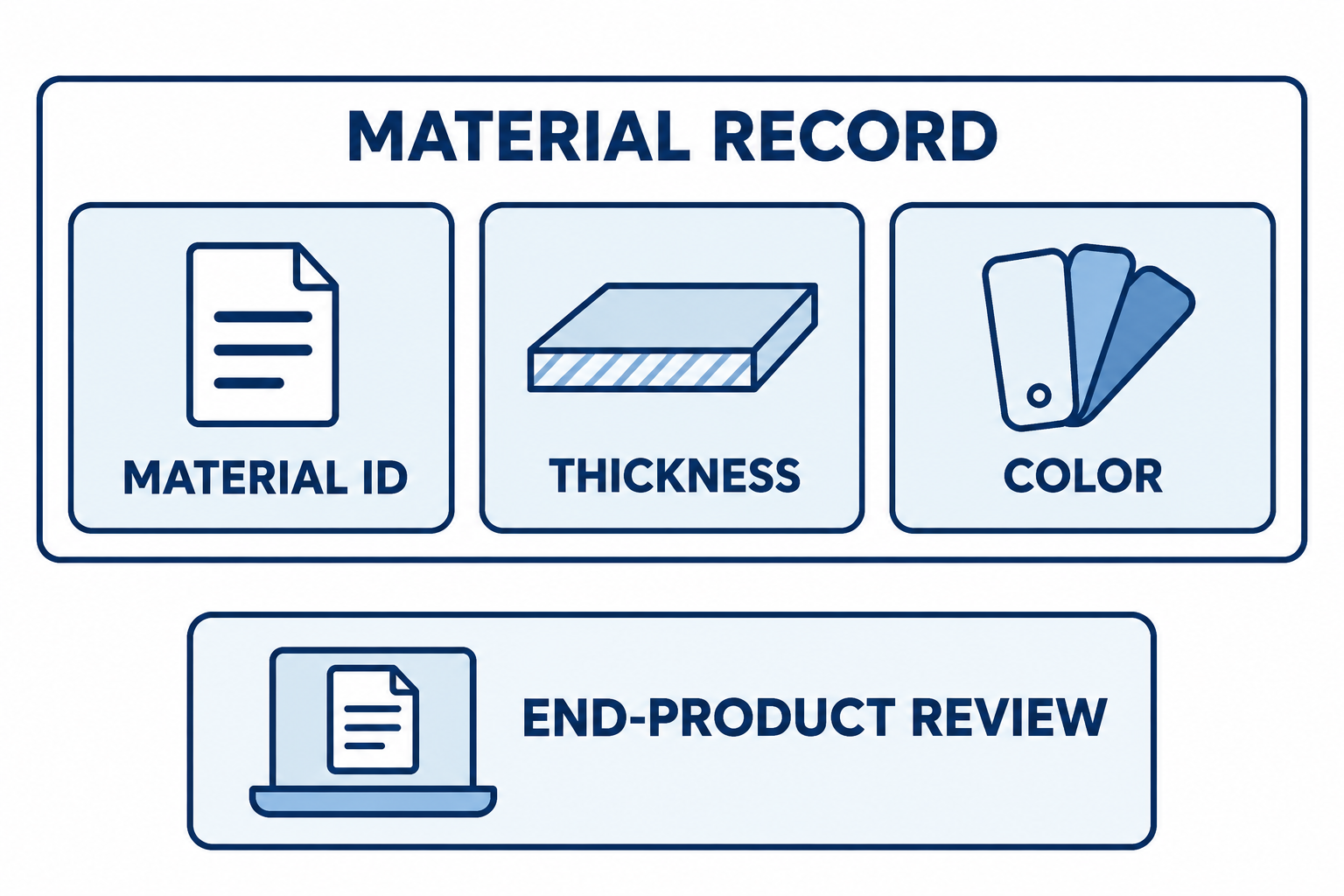
Thickness and color conditions also belong in the review. They should be read from the applicable recognition or test documentation, rather than assumed from the appearance of a housing. A photograph cannot establish the recognized material configuration.
The Yellow Card program provides material information associated with plastics recognition. It can help identify tested properties, but a material card is not a substitute for the completed device’s evaluation.
Keep the supplied material description, supporting record and relevant housing requirements together. If the documentation covers another grade or an unspecified configuration, the supplier needs to clarify that gap before the record can support the proposed selection.
What the rating cannot replace
| Question | Why V-0 alone does not answer it |
|---|---|
| Is the complete device certified? | Material classification and finished-device certification have different scopes. |
| Does an enclosure resist water? | Ingress protection is a separate property. |
| Does a construction product meet a building fire requirement? | Small-scale component-material data does not replace the applicable building fire evaluation. |
A request for one property should not be answered with evidence for another. Keeping those questions separate is more useful than presenting V-0 as a general safety badge.
This article does not reproduce a burn-test procedure or numerical acceptance table. A testing or compliance decision needs the applicable standard, material record and end-product requirements.
Compare evidence rather than a flame-retardant adjective
Consider two hypothetical housing quotations. The first says “flame-retardant, V-0” without identifying the material. The second names a material grade and supplies a corresponding record with the relevant conditions. The second response provides evidence that can be checked; it does not automatically approve the housing.
The next review question is whether that record matches the proposed part and its requirements. If a supplier later changes the material, the earlier document should not silently remain attached to the new offer.
Record the proposed change and request the supporting evidence for the replacement. The same approach applies when the quotation and drawing describe different material conditions. Make the mismatch explicit instead of allowing a familiar classification to hide it.
This example is a purchasing-document method, rather than a claim about a particular resin, supplier or tested housing. No invented Yellow Card or certification number is needed to explain the decision.
Ask the equipment supplier for the relevant documents
For AC surge protection devices, a housing material statement is one part of the model documentation. It does not establish the device’s complete electrical performance or a UL product listing.
Ask for evidence tied to the offered model and its stated material conditions when the project requires it. This article has not authenticated a Wanze resin record, recognized thickness or UL product file. Those questions remain model-specific document requests.