
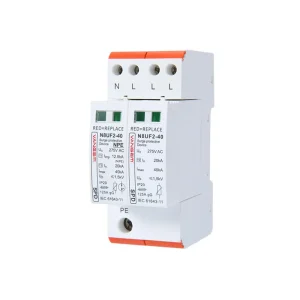
AC Surge Protection Device
AC surge protectors for low-voltage distribution and electrical panels. Compare Wanze Type 1+2, Type 2 and Type 2+3 models, then confirm system voltage, connection arrangement and configuration-specific documents.
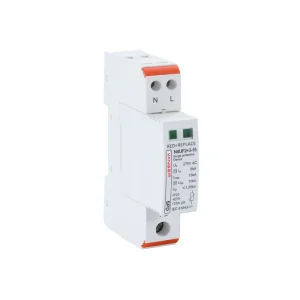
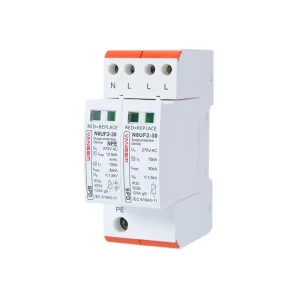
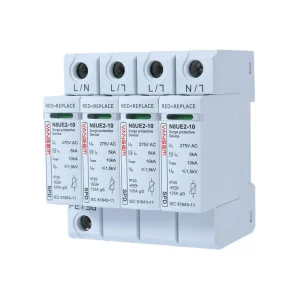
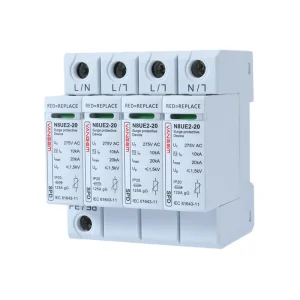
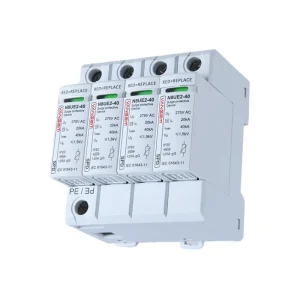
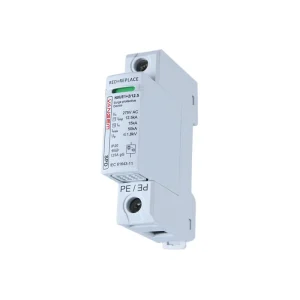
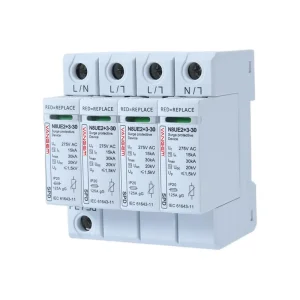
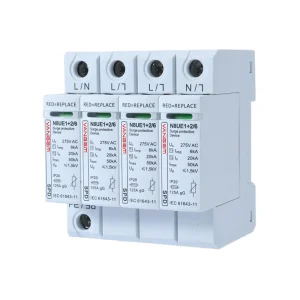
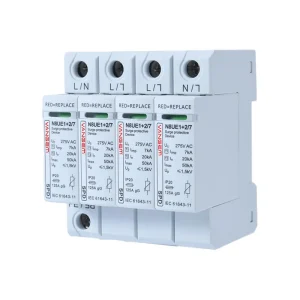
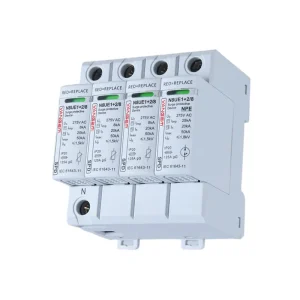
Compare AC surge protector families
An AC surge protector should be compared by its declared type, system connection and complete rating set. Wanze’s catalogue includes Type 1+2, Type 2 and Type 2+3 AC families. The examples below link to current product data and original drawings, so a buyer can inspect the exact model rather than compare family names alone.
| Catalogue example | Declared type | Published values for initial review | Next document check |
|---|---|---|---|
| N8UE1+2/6 | Type 1+2 | Uc 275 V AC; In 20 kA and Imax 50 kA at 8/20 μs. | Exact configuration, impulse-rating basis and connection sheet. |
| N8UE2-40 | Type 2 | Uc 275 V AC; In 20 kA and Imax 40 kA at 8/20 μs; Up 1.5 kV. | Selected pole arrangement, wiring and backup protection. |
| N8UE2+3-30 | Type 2+3 | Uc 275 V AC; In 15 kA and Imax 30 kA at 8/20 μs. | Composite-wave rating and the intended protection arrangement. |
Values are copied from the linked model pages for comparison, not a declaration that any model fits every supply with a similar voltage name. Verify the destination-market evidence, protection modes, exact suffix and configuration-specific documents before ordering. A combined type description is not independent proof of a US listing.
Choose an AC SPD by the electrical system
Start with the voltage reference and conductor arrangement: single-phase, split-phase or three-phase, with or without neutral. Add the grounding system, panel location and the equipment to be protected. These facts determine which model documents need review; the number of modules or a product photograph is not a substitute.
Next compare continuous operating voltage, protection level, nominal and maximum discharge ratings, fault-current conditions and backup protection. Keep rating names and waveforms in the quotation. Do not use a kA headline as the continuous load-current rating or a breaker-sizing instruction.
For the terminology, read the SPD selection guide. For a panel project, use the electrical-panel surge protector checklist to assemble the system information before narrowing the catalogue.
Type 1, Type 2 and combined devices
The applicable standard matters when interpreting a type. UL location classifications and IEC-oriented test descriptions should not be treated as interchangeable approvals. A purchaser specifying Type 1 or Type 2 should state the required standard and ask for evidence covering the offered configuration.
The Type 1 versus Type 2 comparison explains that distinction. Use the model page for ratings, drawings and ordering details. If the project instead concerns an inverter’s PV DC connection, continue to the solar PV SPD range rather than substituting an AC module.
Request a configuration-specific quotation
- Identify system voltage, phase/neutral arrangement and grounding.
- State the panel position, environment and existing protection.
- Provide the exact model or the rating/type requirements to be reviewed.
- Include quantity, destination market and required technical or listing documents.
- Ask for the matching connection and dimension sheets, accessories and replacement details.
Use Downloads to identify the document request route, or send Wanze the configuration and quotation requirements. Price, quantity terms, delivery and certification coverage need confirmation for the offered configuration.
AC surge protector questions
Can I select an SPD by 40kA alone?
No. Compare In/Imax definitions, operating voltage, protection level, connection arrangement and installation conditions together. The model table above shows why the same device can carry different nominal and maximum current values.
Are these plug-in power strips?
This category covers the published AC SPD catalogue. Check each model’s mounting and connection instructions; do not infer a plug-in outlet format from the phrase “AC surge protector.”