
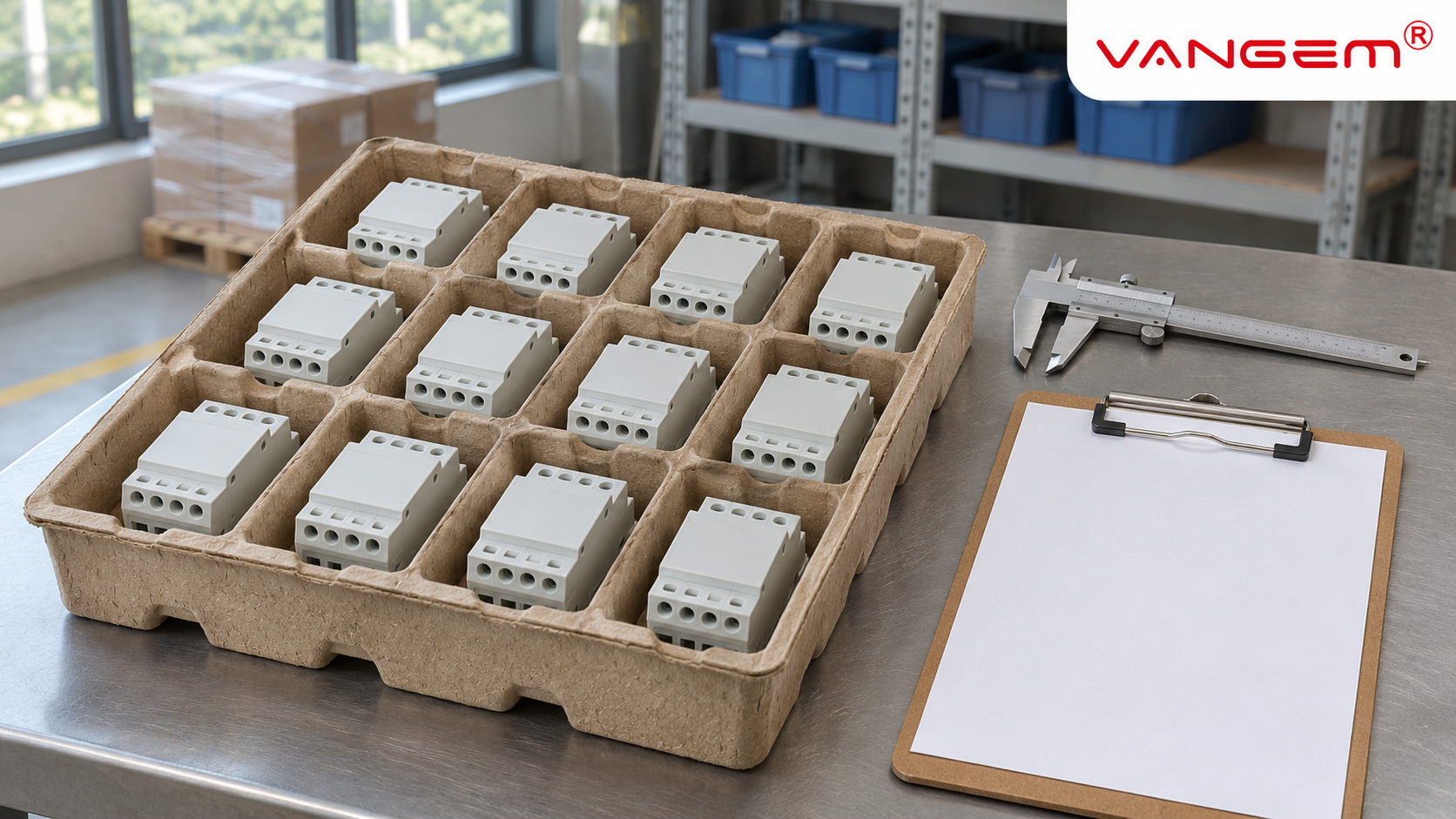
AQL stands for acceptance quality limit in current ISO terminology. It is used to index acceptance-sampling schemes for inspection. An AQL statement is not a guarantee that every item in a shipment meets specification, and it is not a complete inspection plan on its own.
For buyers, the decision is whether a defined lot is accepted under an agreed rule. The sample, inspected characteristics and disposition rule need to be clear before that decision can be meaningful.
AQL sampling needs a complete plan
A lot is the group submitted for the acceptance decision. A random sample provides the observations used under the selected scheme. The inspection rule defines how those observations lead to the lot’s disposition.
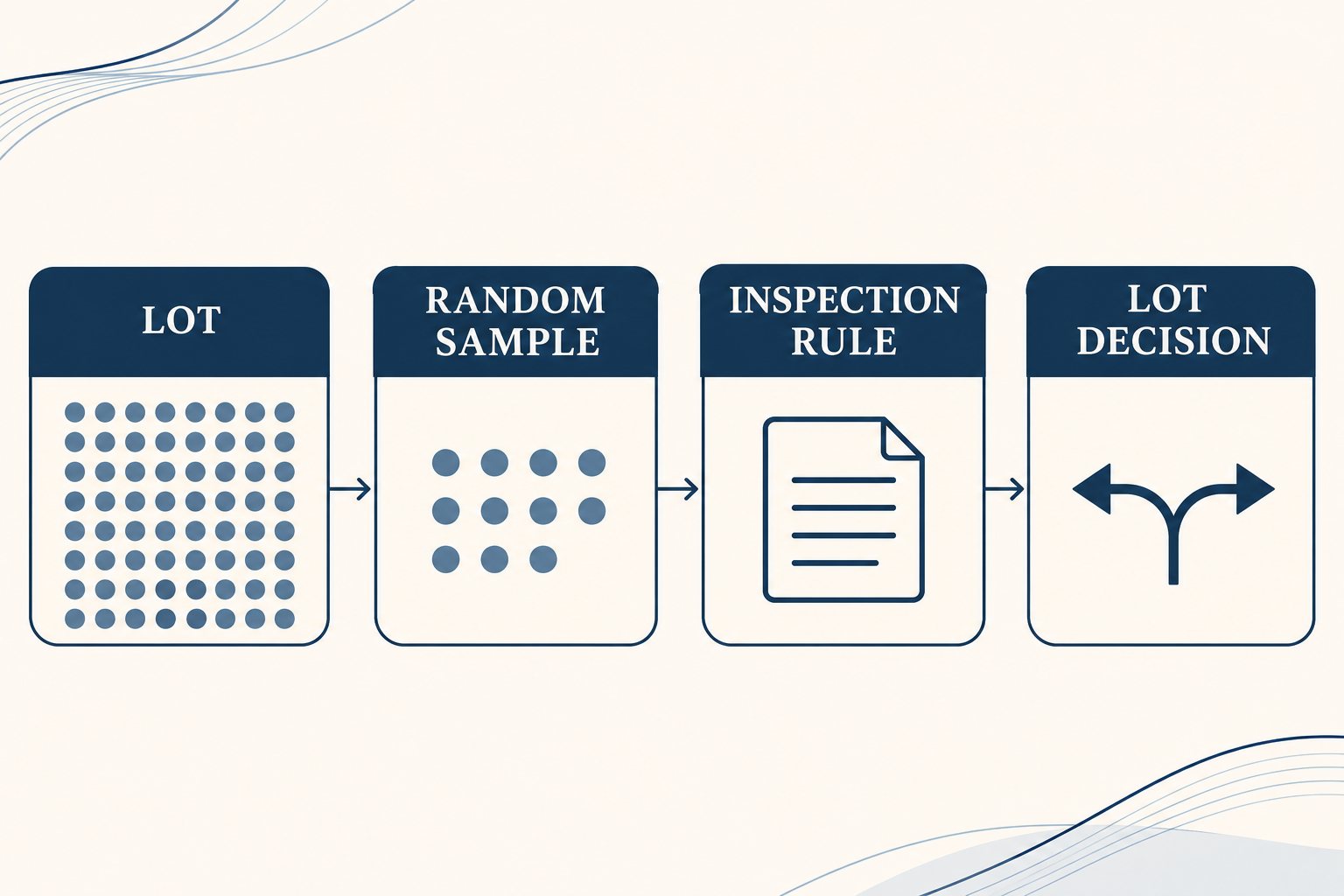
In a simple single-sampling description, n denotes sample size and c denotes an acceptance number for the defined count. Other schemes can require additional samples or different decision stages. The plan must identify which approach applies.
Published tables should be read within their complete scheme, including the applicable inspection and switching rules. A copied sample-size row without its context can leave the acceptance rule unclear.
As checked in November 2026, current official catalog records identify ISO 2859-1:2026 for AQL-indexed attribute sampling. The article uses that public scope information; it does not reproduce the standard’s tables or choose a plan for an order.
Define defect classes before inspection
A sampling rule operates on specified characteristics. Buyer and supplier therefore need an agreed description of what counts as a nonconformity, how findings are recorded and how the applicable decision rule uses those findings.
If the purchase plan distinguishes critical, major and minor classes, define those classes for the product and requirements. Do not rely on the labels alone to settle a disagreement after the inspection.
For a hypothetical component order, an appearance issue and a failure to meet a specified functional requirement raise different questions. Their classification should follow the agreed criteria and relevant technical requirements, rather than whichever description favors release.
Also distinguish a nonconforming item from a count of nonconformities. One item can raise more than one finding. The counting basis needs to agree with the selected plan.
An accepted lot is not a defect-free guarantee
Acceptance sampling uses a sample to make a decision about a lot. It does not inspect every item. Statistical risks remain: an acceptable lot can be rejected, and a lot with an unacceptable quality level can be accepted under a sampling decision.
The purpose also differs from estimating the lot’s exact defect rate. A passed acceptance decision should not be reported as proof that the entire shipment contains a particular percentage of defects or none at all.
Nor should an AQL be treated as permission to disregard product requirements. The sampling agreement describes how the inspection decision is made; it does not turn a nonconforming characteristic into a compliant one.
Resolve the inspection record before the release decision
Imagine a hypothetical dispute in which the inspection report says “AQL passed,” but the buyer cannot identify the sampled lot or the defect definitions used. Repeating the word passed does not resolve the missing information.
A useful review connects the lot identity, sampling scheme, selected sample, recorded observations and decision rule. Where the report and purchase requirements disagree, identify the exact mismatch before deciding how the lot should be handled.
The disposition should follow the agreed process. A corrective action, reinspection or other response must be documented as the relevant parties require; it should not be invented afterward to make the original record appear complete.
This example is a purchasing review framework. It supplies no default AQL, sample size or acceptance threshold. Those choices require the actual product requirements and the complete applicable sampling scheme.
For electrical component orders, identify separate requirements
When purchasing AC surge protection devices, identify the exact model and inspection requirements. Keep sampled appearance or dimensional checks separate from any required electrical, certification or type-test evidence.
An acceptance-sampling result does not replace those documents. This article establishes no Wanze AQL policy, factory inspection rate or ISO certification. Any proposed inspection arrangement needs confirmation for the actual order.
A reviewable quality record states what was checked, under which rule, and what decision followed. A bare AQL label cannot supply that record.